Digital Photography Surrealism
November 1, 2025 Masahiro Hiroike
日本語版はこちらです
Hiroike redefined the concept of Surrealism, a representative 20th century art movement, by combining it with modern digital photography technology, and named it "Digital Photography Surrealism."
Prologue: Time and Coincidence
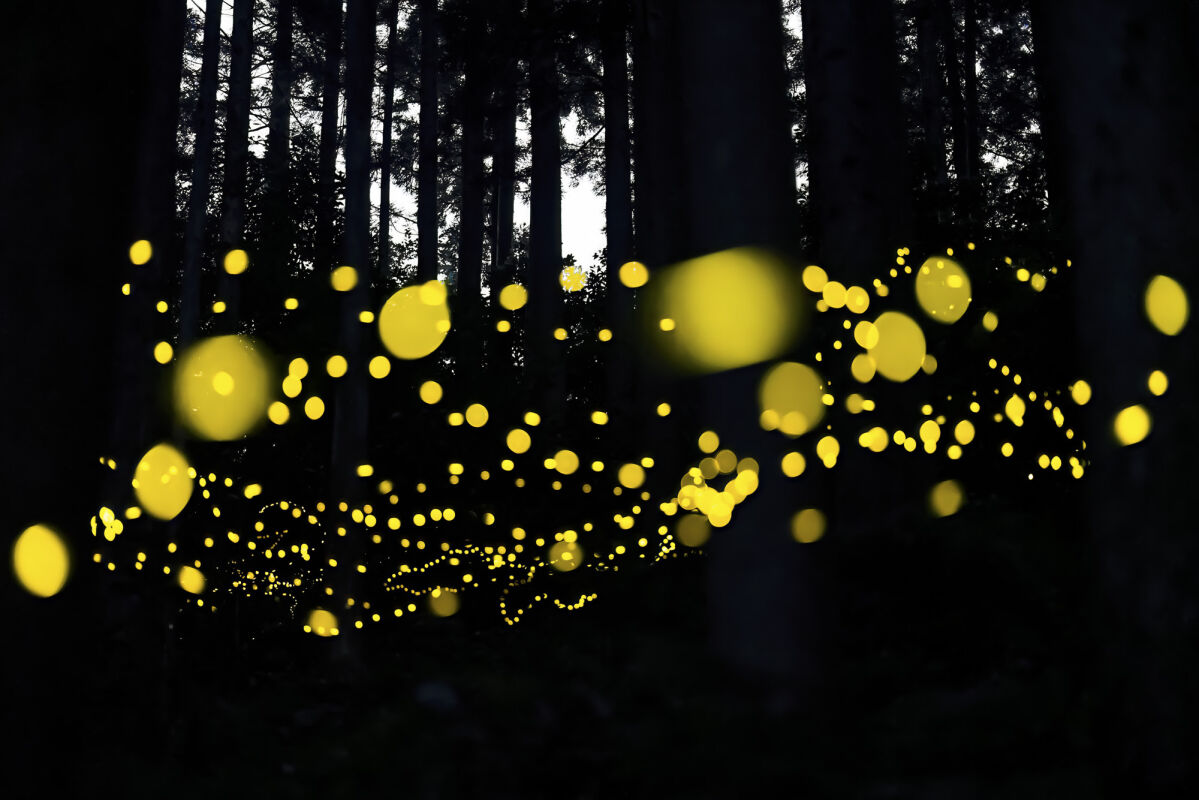
Hiroike has been photographing tiny fireflies known as "Himebotaru" for over 10 years. He began photographing them because he was fascinated by the beauty of the lights dancing in the forest at night. However, he gradually began to feel that firefly photographs "contain profound implications for the concept of photography."
Time in Photography
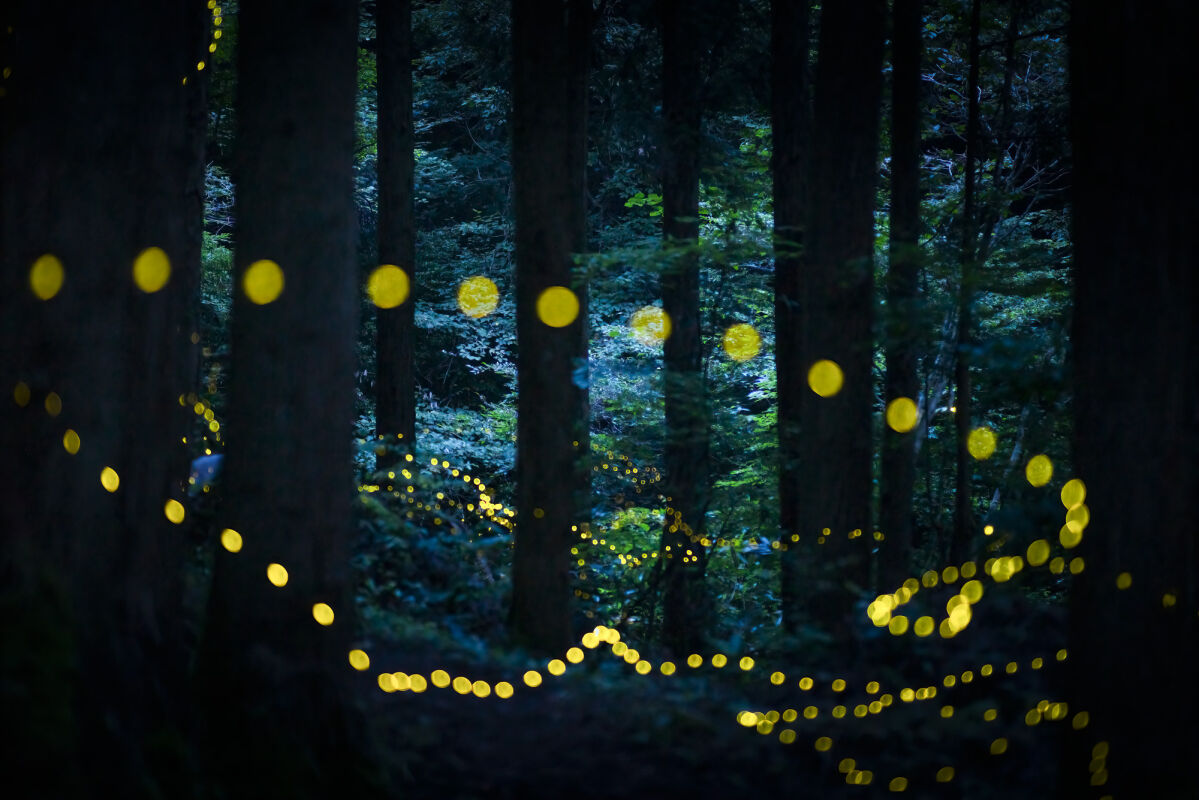
Photographing fireflies is difficult because of the darkness, and traditionally, multiple shots have been photographed using a Lighten Composite technique. However, by optimizing the time of day and exposure time, Hiroike succeeded in capturing a single shot. Fireflies begin to fly after sunset as darkness deepens. Hiroike fixed the ISO sensitivity and f-stop, and gradually increased the exposure time—10 seconds, 20 seconds, 30 seconds, 1 minute, and then 2 minutes—as the forest darkened, capturing the background with the appropriate brightness. Fireflies emit light instantaneously and at regular intervals, like a flash, so they appear in photographs as a series of dots. If they pass close to the lens, they appear as circles of bokeh. It's important to note that exposure time doesn't affect the brightness of the firefly's light itself; rather, it affects the number of dots and blurred circles that appear in the photograph along with the flight time. In other words, exposure time has a different meaning for the background and the firefly's light trail.
When the daguerreotype was first invented in France, photography required an exposure time of several tens of minutes. Since then, film and cameras have evolved to allow for instantaneous capture. Perhaps as a result, photography has come to be defined as "a way to record a moment" or "a device that converts three dimensions into two dimensions." However, we live in a four-dimensional world where time flows in three-dimensional space. Therefore, the true essence of photography should be redefined as "a device that converts four dimensions (three-dimensional space + time) into two dimensions."
Coincidence
Another important thing Hiroike realized is the importance of "chance." Fireflies do not fly as the photographer wishes, and the light trails in a single firefly photograph are entirely left to chance. For this reason, he takes approximately 1,000 photos per night using multiple cameras equipped with timer releases, continuing to photograph almost every day from early June to the end of July. Although he takes a total of over 40,000 photos during the season, he only selects 20 to 30 for his works. This means that he selects one photo from thousands, and sometimes these images capture an image different from the one the photographer had in mind, broadening his range of expression.
However, one day, he began to wonder, "Can a photo taken by chance really be called one's own work?" As he researched this, he came across Surrealism, a century-old movement that placed chance at the core of art.
What is Surrealism?
In October 1924, French poet André Breton published the "Surrealist Manifesto," marking the birth of one of the most representative artistic movements of the 20th century. The movement's goal was to liberate the "unconscious," which transcends reason and logic, from the reality we perceive, and explore a "surreal" world that transcends reality. Its ideology was based on Freud's theory of the unconscious and psychoanalysis, which held that a large part of the human mind resides in the unconscious, where "unconscious truths" untouched by rational censorship lurk.
Surrealist paintings are known for depicting "dreams," as exemplified by Salvador Dalí's "The Melting Clock." However, there are also works that are based on unconscious perceptions of shapes and patterns that arise by chance.
Surrealism is sometimes said to be difficult, but this is because its essence lies in its fundamental yet simple goal of "creation through the liberation of the unconscious," resulting in extremely diverse and wide-ranging works of expression.
Key Techniques of Surrealism
Surrealist artists employed a variety of experimental techniques to eliminate the intervention of reason and express unconscious images in their works.
Creating Unconsciously: Automatism (Automatic Writing/Drawing)
By rapidly and continuously moving their hands without conscious intention or planning, they attempted to record unconscious impulses on paper or canvas. This method eliminated the intervention of reason and made the unconscious the source of creativity.
Recreating the Unconscious: Veristic Surrealism (Realistic Surrealism)
Freud called dreams the "royal road to the unconscious," and artists such as Salvador Dalí and René Magritte depicted "dream scenes" that expressed the unconscious in extremely realistic and realistic ways. The technique of juxtaposing completely disparate objects or images, without any connection to each other, thereby creating a strong sense of incongruity, is called "dépaysement" (the juxtaposition of disparate things).
Unconscious Sensation: Introducing Chance
The artist created his works based on expressions born from techniques incorporating chance, such as "frottage," in which paper is placed on leaves or wood grain and rubbed, and "decalcomania," in which paint is transferred from a randomly placed surface. These products of chance were used as a method to bring out a latent aesthetic sense that could not be predicted by reason.
Surrealism and Photography
Surrealism aims not for fantasy or imagination, but for a "hyperreality" that is connected to reality. Photography is fundamentally a "device for capturing the real world," making it a suitable medium for Surrealism.
At the beginning of the Surrealist movement, photographers such as Man Ray and Max Ernst employed the following experimental techniques that did not reproduce reality itself.
Multiple Exposure
This technique involves exposing the same film multiple times, overlaying different subjects and time periods on a single frame, creating a fantastical, ambiguous image.
Photogram
This technique involves placing an object directly on photographic paper and shining light on it, rather than using a camera, to record abstract, mysterious images resembling shadow puppets. Man Ray called this the "rayograph."
Solarization
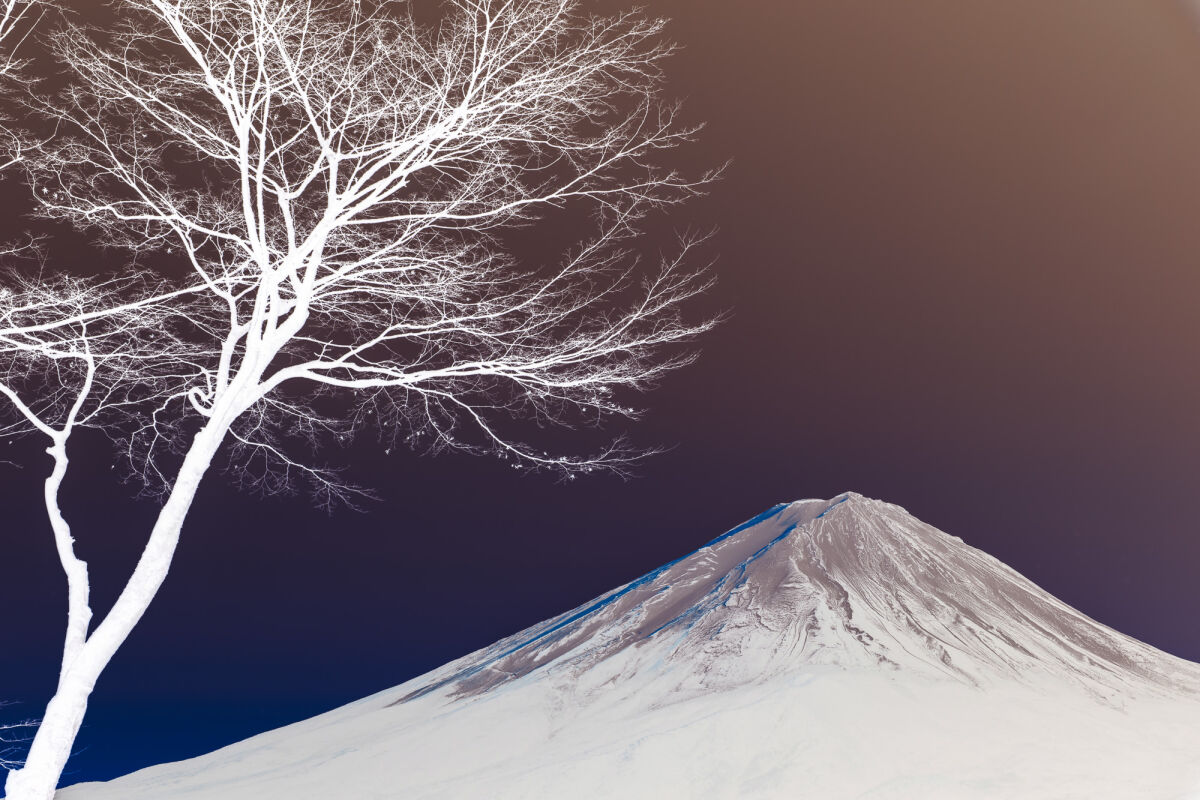
This technique involves intentionally shining strong light on the film during development, thereby inverting the tonal gradation of the image and emphasizing the boundaries between the object and background, creating unrealistic and bizarre visual effects.
Photomontage is a technique in which multiple photographs are cut and pasted together to create a new image with absurdist connections or critical meaning. These techniques resulted in the creation of unrealistic landscapes and fantastical images. Photography became a means of Surrealist expression, elevating it from a mere recording device to a means of artistic creation.
The Evolution of the Concept of the Unconscious
Surrealism was born out of Sigmund Freud's theory of the unconscious and psychoanalysis. The "unconscious" was interpreted as a subconscious realm (id) where repressed desires, traumas, and sexual impulses (libido) lurk, manifesting in the form of dreams and slips of the tongue. Artists such as André Breton attempted to bring the unconscious to light through techniques such as automatism.
However, research on the unconscious has since evolved dramatically. Advances in cognitive science and neuroscience, particularly computer science, have transformed the concept of the unconscious into a more scientific and empirical one. This development has redefined the unconscious not simply as a subconscious realm, but as a sophisticated information processing system that supports human perception, judgment, and behavior.
Cognitive science, the study of understanding the workings and nature of intelligence from the perspective of information processing, proposes the "dual process theory," which posits that human thought, judgment, and decision-making are carried out by two distinct information processing systems. "System 1" instantly processes information received through perceptual functions such as seeing and hearing, and unconsciously makes intuitive decisions and takes action. This allows for high-speed, massively parallel processing, requiring almost no concentration. This advanced information processing system accounts for the majority of human thought, but it can sometimes make mistakes. "System 2" is the conscious, "thinking" part, which requires concentration. It performs logical, linear processing, makes complex judgments and verifications, and suppresses and censors the intuitive judgments of System 1.
The act of "seeing," which is important in art, memorizes the vast amount of image information received by the optic nerve, extracts and vectorizes singularities, and analyzes what is being seen and its state from multiple perspectives. This processing is performed instantaneously and unconsciously by "System 1." The conscious, logical "System 2" then kicks in when we think and act based on that information.
In recent years, research has also progressed exploring the relationship between information processing in the human brain and mathematical and geometric patterns in nature. For example, fractals are mathematical structures of "self-similarity" commonly found in nature and the human body, such as the branches of trees and the blood vessels and nerves of humans. They are thought to bring an instinctive sense of security and be perceived as a latent aesthetic sense or pleasure. In other words, concepts that have previously been vaguely articulated as "sensitivity" or "taste" are thought to involve advanced unconscious information processing, such as visual information, and pattern matching with a database of accumulated aesthetic patterns.
This allows humans to perform many tasks without even thinking about them, such as driving a car or holding chopsticks. This transition from the conscious "System 2" to the unconscious "System 1" is called "automation."
Neurons in the human brain have a mechanism called neural plasticity, which changes the efficiency of their synapses based on frequency of use. Repeating an action (i.e., training) strengthens and optimizes the connections between specific neurons, creating specialized processing circuits, achieving "automation." These specialized processing circuits not only allow for unconscious execution, but also improve accuracy and speed.
The same is true of the act of "seeing," which does not involve any movement. When you consciously seek out "beauty," it is stored in a database of aesthetic patterns, and if you repeat this process, it becomes increasingly "automated," allowing you to quickly and unconsciously find beautiful scenes. This is what it means to hone your unconscious aesthetic sense.
The core of "Surrealism" lies in "creation through the liberation of the unconscious," and in this way, along with changes in the concept of the unconscious, the concept of Surrealism has also expanded broadly and deeply.
Digital Photography Surrealism
Unlike film cameras at the time the Surrealist movement began, digital cameras have become mainstream. Digital cameras differ from film cameras in two crucial ways:
- Capable of capturing a huge number of images, transcending physical and financial constraints.
- Capturing results on the spot, making adjustments, and repeating the process.
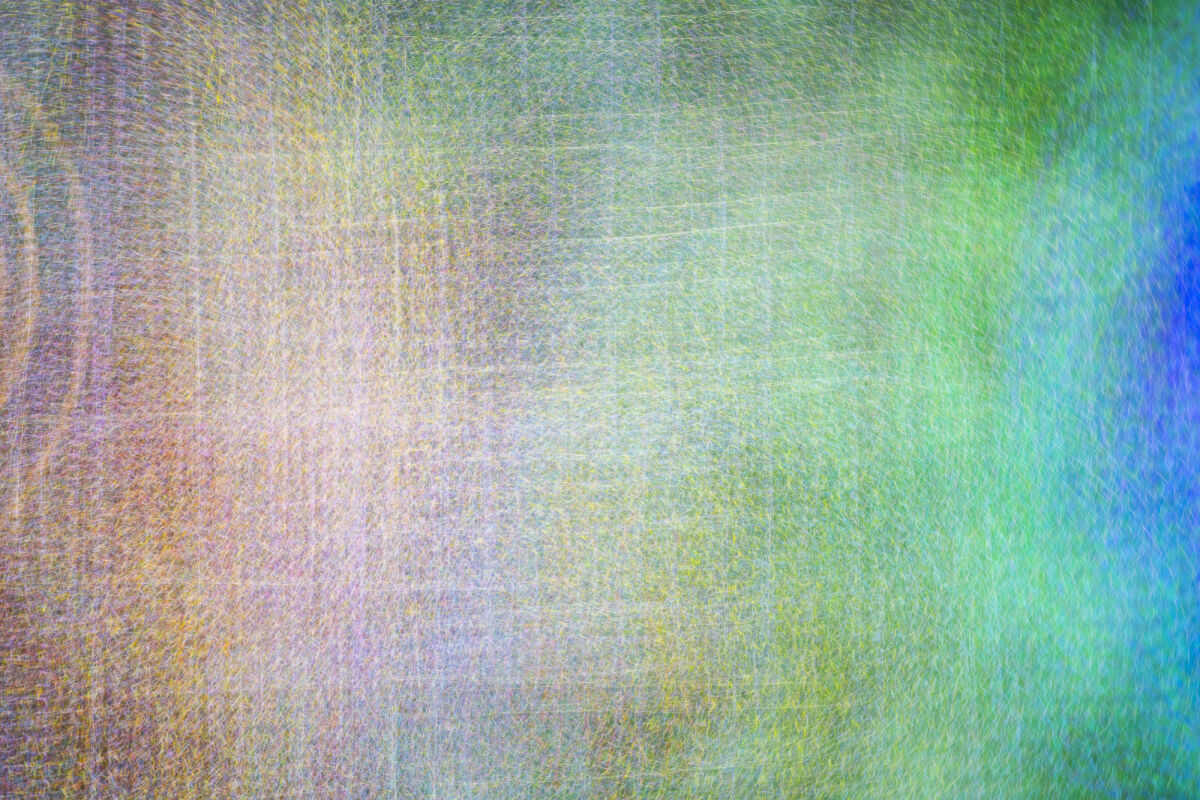
Hiroike, who views photography as a mechanism for translating four dimensions (three-dimensional spatial volume plus time) into two dimensions, expanded the scope of photographic expression by rethinking the concept of "time." Longer exposure times increase the likelihood of subject movement during the shot, and allow for techniques such as ICM (Intentional Camera Movement), where the camera itself is moved. By considering exposure time with greater flexibility, the possibilities for photographic expression expand dramatically, enabling the incorporation of chance elements.
Generally, photography involves a logical approach to elements such as composition, lighting, aperture, and exposure time. However, Hiroike believed that one could tap into an unconscious aesthetic sense when "feeling" and "selecting" images that emerged through chance.
By fully leveraging the characteristics of digital cameras and drawing upon scientific research into the unconscious, he proposed a concept of "Digital Photographic Surrealism." This approach utilizes techniques that generate chance effects—such as ICM—and incorporates a process that engages the unconscious mind.
"Selecting intuitively from a Countless Number of Photographs Containing Chance"
Surrealist painters employed "automatism," drawing by rapid, continuous hand movements, to eliminate the intervention of reason. Because photographs are essentially created simply by pressing the shutter, it's easy to create automatically. However, simply taking photographs automatically results in results that don't involve the artist's subconscious. However, Hiroike found a modern process of expressing the unconscious in the act of taking and intuitively selecting from a vast number of photographs, made possible by digital cameras. Intuitively selecting one from thousands of photographs captured with the chance of capturing the movement of living creatures, like his photograph of fireflies, allows him to find a photo that resonates with his own subconscious and visualize the beauty of the unconscious.
"Adjusting and Re-shooting Based on Chance-Containing Photographs"
Hiroike photographs Japanese fireworks, Christmas lights, and other scenes using Intentional Camera Movement (ICM), which allows the camera to move freely, resulting in images with a sense of chance. With a digital camera, he can instantly review the image, adjust it, and reshoot. Specifically, he shoots freely, incorporating chance, and then adjusts and reshoots when he senses something intuitively.
Shoot freely > Shoot freely > Feel intuitively > Adjust and shoot > Adjust and shoot
This process is similar to the method used by Surrealist painters, who completed their works by adding touches to a "decalcomania" (transferring paint from random locations). It involves subconsciously capturing images that arise by chance and reconstructing them according to the artist's intentions.
The Significance of Digital Photography Surrealism
The "Digital Photography Surrealism" approach reinterprets the historical artistic movement of Surrealism by combining it with modern digital photography. While it is a basic creative photograph created by simply pressing a shutter, it is more than a mere record of reality; it is a contemporary "surreal world" that emerges from a dialogue between chance and necessity, and the unconscious that transcends reason. Furthermore, this approach allows the artist's unconscious aesthetic to evolve through training and automation. Today, Surrealism is not simply an artistic style, but rather an endeavor that continues to explore the fundamental question of art, "what is beauty," from a philosophical, logical, and scientific perspective.
And this approach leads to "Action Photography"
Collection of Works